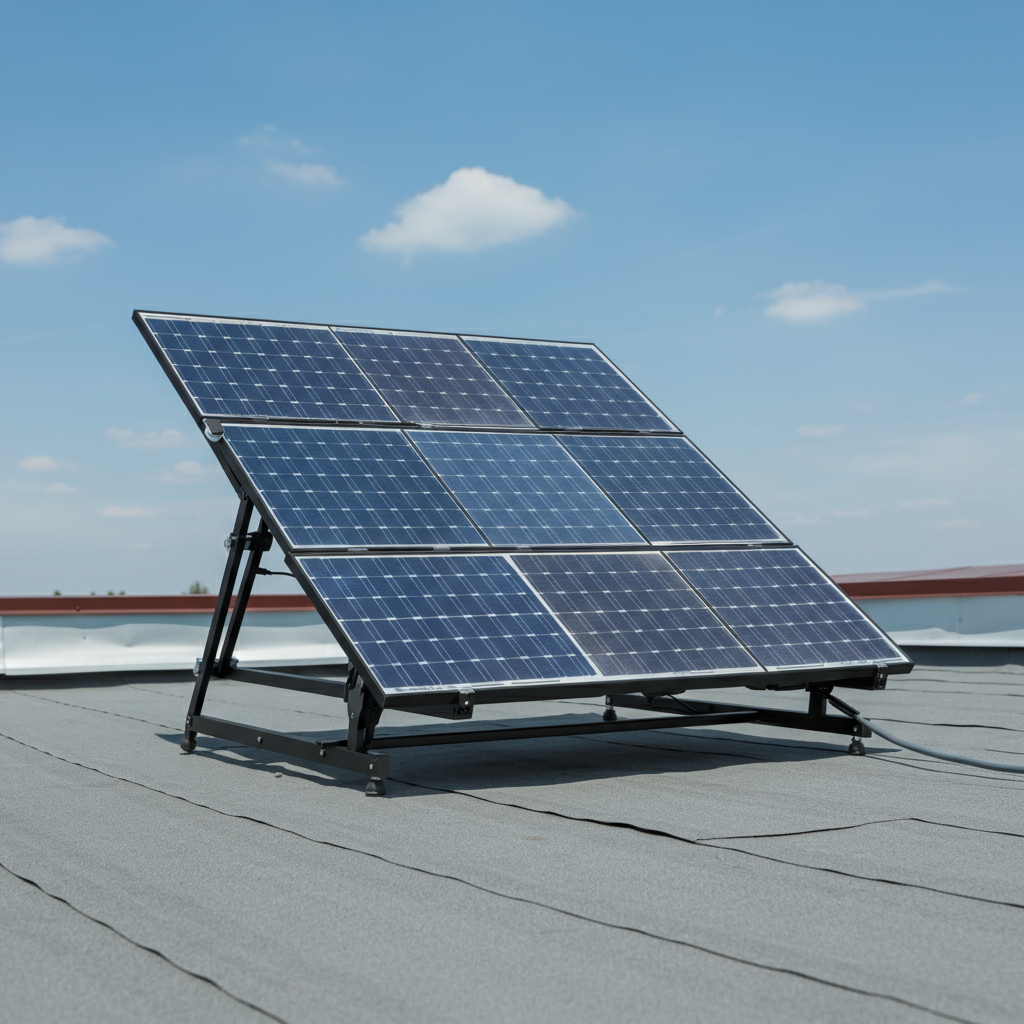
Understanding 1kW Solar Structure Pricing: A Complete Guide
Solar power systems have gained popularity among homes, small businesses, and the agricultural sector as the world adopts renewable energy. The solar mounting structure is one of the most crucial components of a solar power system, as it supports and positions the solar panels to achieve optimal exposure to sunlight. One of the first things you may wonder if you want to build a 1kW solar system is, “How much does a 1kW solar system cost?” This article explores in detail the costs, varieties, components, and purchasing advice related to 1kW solar structures in India.
A 1kW Solar Structure: What Is It?
A 1kW solar structure is a mounting frame or rack that can accommodate around three to four solar panels, each with a capacity between 250 and 350 watts, which, under ideal circumstances, can provide one kilowatt of electricity. In order to maximise solar radiation, the framework makes sure that the panels are firmly fastened, inclined, and oriented correctly.
The Significance of Solar Structure Cost
One of the most important aspects of the overall budget for solar installation is the cost of the solar structure. Choosing the correct structure can have a big impact on system performance, longevity, and safety, even though it might not be the most costly component when compared to solar panels or batteries. Furthermore, knowing the 1kW solar structure price enables customers to make well-informed investment decisions as the demand for solar energy rises, particularly in rural and urban rooftop locations.
Types of Structures for 1kW Solar Mounting
1. Static Tilt Framework
With a set tilt angle tailored to the local sun irradiation, this is the most cost-effective choice. Because panel orientation won’t change with the seasons and space is at a premium, it’s perfect for rooftop installations.
2. Modifiable Tilt Framework
Adjustable structures, which were designed with flexibility in mind, enable users to maximise solar generation in the winter and summer by adjusting the tilt angle of the panels according to the season.
3. Sun Structure Elevation
These raised, dual-purpose constructions are frequently deployed in areas where the roof must be used for other purposes (utility, parking). Because they require more material and manpower, their installation prices are higher.
4. A Structure Mounted on the Ground
Ground mounts, which are constructed of iron or steel and are intended to be attached directly to the ground, are primarily utilised in rural and agricultural installations. Although they require more acreage, they are simple to maintain and clean.
Components of 1kW Solar Structures
The most widely used material is
1. Galvanised iron (GI), which is affordable, long-lasting, and resistant to rust. Both ground-mounted and rooftop systems can use GI constructions.
2. Aluminium
Aluminium structures are perfect for coastal and high-humidity areas since they are lightweight and resistant to corrosion. Although they cost more, they last longer.
3. MS, or mild steel
Because it rusts if not adequately coated, it is used less frequently. most often utilised for specialised ground-mount applications.
4. Steel Galvanised by Hot Dip
This provides the best resistance to corrosion and is perfect for heavy-duty, long-term installations. Life expectancy is increased by more than 20 years by the galvanising process.
Factors Influencing 1kW Solar Structure Cost
1. Location of Mounting
Because rooftop installations require less work and materials than ground mounts, they may be less expensive. The cost of elevated constructions rises because they need more metal and labour.
2. Material Used GI buildings
They are less expensive than hot-dip galvanised steel or aluminium. Aluminium, however, is lighter to handle and has a longer lifespan.
3. Specifications for Design
Custom designs that add structural complexity and, consequently, cost include elevated carports and dual-axis trackers.
4. Area of Installation
Structural strength is determined by seismic zone data, wind load, and snow load (in hilly places), which could raise costs.
5. Bulk and Quantity Orders
Because of economies of scale, placing large orders (for example, industrial or community solar projects) usually lowers the cost of the structure per unit.
Advice on Purchasing a 1kW Solar System
Verify your BIS certification.
Verify that any solar mounting structure complies with international IEC standards or has been verified by the Bureau of Indian Standards (BIS) before making a purchase. These certifications attest to the structure’s passing quality and safety tests in the Indian climate. Better performance and durability are guaranteed by a certified product, which lowers the possibility of corrosion, fracture, or collapse over time.
Think About Future Growth
A modular or scalable structure is a good choice if you intend to increase your solar capacity in the future. A lot of folks begin with a 1kW setup before upgrading to 2kW or more. Over time, a framework that makes it simple to add more panels will save money and effort. Both home and commercial users will find it to be a wise investment.
Take the weather into consideration.
The ideal kind of solar structure depends in large part on the climate. For example, because of their superior corrosion resistance, aluminium or hot-dip galvanised steel are preferable options if you live near the ocean or in an area with a lot of humidity. Similar to this, you will require a stronger, more reinforced construction that can tolerate outside pressure in areas that are prone to earthquakes or strong winds.
Don’t disregard the warranty.
Always look for a warranty duration before making a purchase because solar mounting structures are supposed to last at least 20 to 25 years. A structural guarantee of at least ten years is advised. A strong guarantee frequently indicates the manufacturer’s faith in the calibre of their offering. In the event of production flaws or material breakdown, it also offers financial protection.
Hire a Professional to Install It
If installed incorrectly, even the most expensive solar structure may function badly or fail. Hiring qualified solar specialists who can correctly anchor the structure and orient it at the optimum tilt angle is strongly advised. A properly built system increases safety, reduces maintenance, and generates more energy—especially during storms or periods of high precipitation.
Uses for a 1kW Solar Structure
1. Rooftop systems for homes
For modest residential rooftops with limited space but a need for energy savings, a 1kW solar structure is perfect. Homeowners can use this system to produce 4–5 units of electricity per day, which is enough to power necessities like refrigerators, fans, lights, and televisions. Because of the structure, solar panels are positioned to maximise sunlight, increasing efficiency and lowering electricity costs.
2. Little Stores & Shops
A 1kW solar system can be very advantageous for small businesses, local suppliers, and retail stores. Solar panels installed on the roof or in open spaces can help lower daytime electricity consumption, particularly during peak business hours. In addition to reducing operating expenses, this improves customer satisfaction by guaranteeing electricity during grid outages.
3. Pumps for agricultural water
Small DC water pumps are frequently powered by solar panels mounted on a 1kW solar structure in rural areas. In fields where grid electricity is either unavailable or unreliable, these pumps are crucial for irrigation. The framework guarantees that the panels are securely positioned above ground level and angled for optimal solar absorption, allowing for fuel-free, effective water pumping during the day.
4. Rural Kiosks & Mobile Clinics
A 1kW solar system installed on a sturdy and long-lasting structure can be a game-changer for non-profit organisations, medical facilities, or rural kiosks functioning in off-grid areas. It makes possible necessary services like medical refrigeration, mobile charging, and lighting. The solar structure supports the vital work of social and health-based organisations by offering a sturdy foundation that guarantees safety and portability.
Conclusion
The mounting framework is the foundation of a solar energy system, which is an investment that should be made over time. Take into account not just the price of the 1kW solar structure but also the design, weather resilience, and material quality. The moment to switch to solar is now, and you may benefit from sustainable energy for years to come, thanks to rising awareness and government incentives for solar adoption in India.