A Guide to Solar Panel Structure Materials
As more people turn to clean and renewable energy sources, the demand for solar energy has been rising quickly worldwide. Even though solar panels are essential for producing power, the material used to construct the panels is one of the most neglected yet significant components of any solar project. Durability, effectiveness, installation costs, and long-term performance are all directly impacted by the material selection made for the solar panel supporting structure.
What is the Material of a Solar Panel Structure?
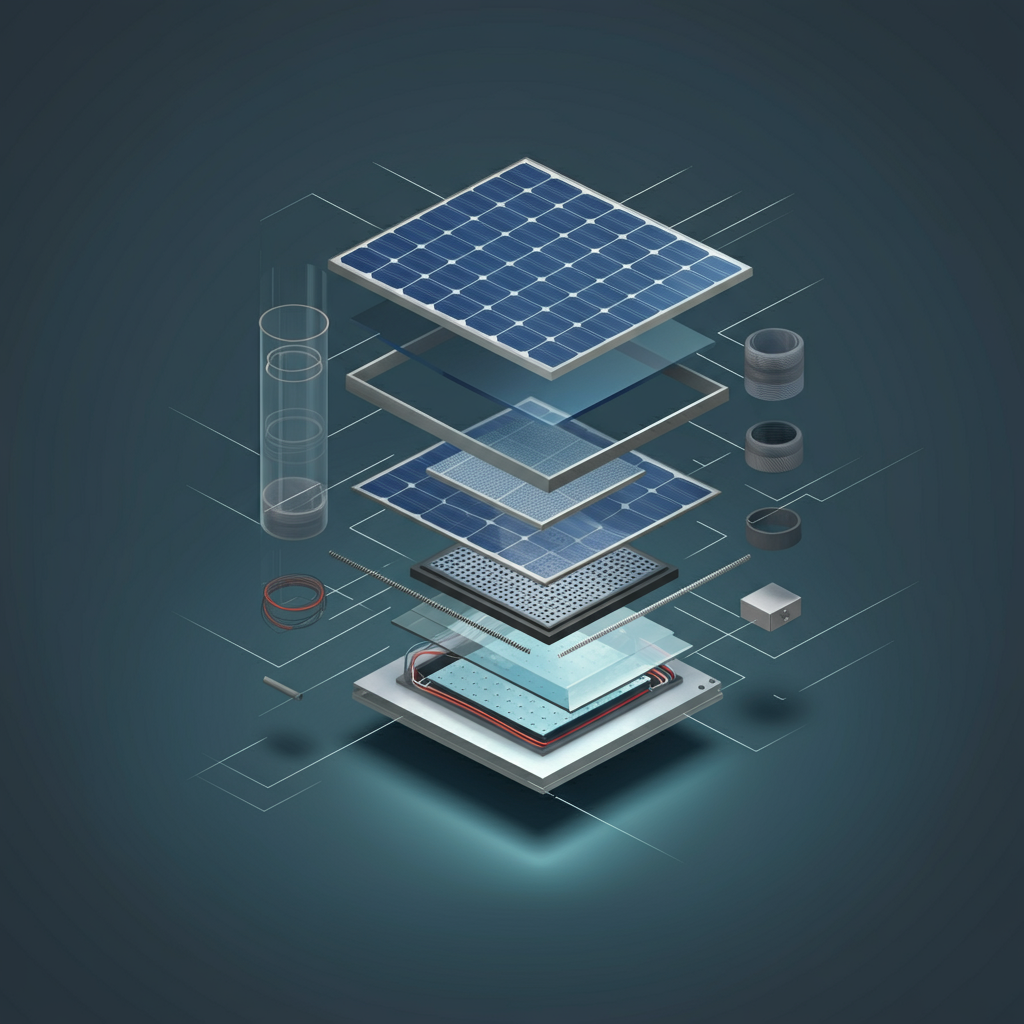
The physical elements that go into creating the supporting framework that solar panels are installed on are referred to as solar panel structure material. Strong winds, heavy rain, dust, and extremely high or low temperatures are just a few of the harsh external circumstances that solar panels must endure, thus the supporting structure needs to be composed of long-lasting, corrosion-resistant materials.
In addition to offering structural support, these materials guarantee that panels are angled correctly to receive the most sunlight possible, increasing the system’s efficiency. Therefore, for both residential and commercial solar projects, selecting the appropriate solar panel structure material is crucial.
The Value of Selecting the Proper Material for Solar Panel Structures
Long-term dependability and efficiency are more important considerations when choosing the material for a solar panel’s structure than price. This is why it’s important:
1. Sturdiness and lifespan
The solar panels can withstand repeated repairs for 20 to 25 years if the proper material is used.
2. Resistance to corrosion
Materials used in constructions must be resistant to rust and corrosion since they are subjected to a variety of weather conditions.
3. The Ability to Bear Weight
Particularly in large solar farms, sturdy materials are needed to support the weight of numerous solar panels.
4. Flexibility in Installation
Strong yet lightweight materials save labor expenses and facilitate installation.
5. Economicalness
Selecting the incorrect material could save money up front, but it will cost more to maintain over time.
Typical Solar Panel Structure Material Types
1. GI, or galvanized iron
Because of its strength, affordability, and longevity, galvanized iron is one of the most widely used materials for solar panel structures. The iron is appropriate for outdoor solar projects since it has a protective zinc coating that helps prevent rust and corrosion. When heavy-duty support is needed for commercial and ground-mounted solar installations, GI structures are particularly well-liked. Despite being heavier than aluminum, its strength guarantees that it can support the weight of several panels and endure severe weather conditions. The sole disadvantage is that the exposed metal may eventually corrode if the protective zinc covering is scratched or broken.
2. Aluminum
Aluminum is a popular material for rooftop solar panel constructions because it is lightweight, corrosion-resistant, and extremely durable. Aluminum provides the benefit of being lightweight while maintaining sufficient structural strength to support solar panels, as rooftops aren’t always able to sustain large weights. Another advantage is that it doesn’t rust, which makes it perfect for areas with a lot of humidity or rain. Aluminum structures are preferred by many homeowners for residential solar installations because of their sleek design, which also adds aesthetic appeal. However, aluminum is not as robust in applications requiring very high loads and is typically more expensive than galvanized iron.
3. Stainless steel
Because of its remarkable strength and resistance to corrosion, stainless steel is regarded as a premium material for solar panel structures. Large-scale solar projects and installations in coastal areas, where exposure to salty air can rapidly deteriorate other materials, frequently employ it. One of the most dependable materials is stainless steel, which guarantees enduring performance even in the most severe weather. The primary disadvantage of stainless steel is that it is more expensive than GI and aluminum, and its greater weight may make installation more difficult. Stainless steel is still the best option for projects that need to be as durable as possible while requiring the least amount of upkeep.
4. Hot dip galvanization of mild steel
When mild steel is hot-dip galvanized, a thick layer of zinc is applied to the steel, making it a suitable material for solar panel structures. While maintaining steel’s natural strength, this treatment greatly increases its resistance to corrosion. It provides an excellent mix between cost and performance and is extensively utilized in industrial systems and solar farms where long-term endurance is crucial. Like GI, though, the structure’s lifespan may be shortened if the galvanization layer is harmed during installation or over time, allowing the exposed regions to corrode. Hot-dip galvanized mild steel is an affordable option for large-scale applications in spite of this drawback.
5. Fiber Reinforced Plastic, or FRP, is a composite material.
A contemporary and cutting-edge material, fiber reinforced plastic (FRP) is being utilized more and more in solar buildings, particularly in specialized applications. Because of its exceptional resistance to chemicals, water, and corrosion, FRP is perfect for settings where conventional metals would deteriorate rapidly. In addition to being sturdy enough to hold solar panels, it is lightweight, which makes installation easier. Despite being more costly than more conventional materials like GI or aluminum, FRP is a viable choice for upcoming solar systems due to its long-term advantages of durability and low maintenance. Although cost and availability are still issues due to its limited adoption, FRP structures are becoming more and more common in specialized and cutting-edge solar projects.
What are the Advantages of Selecting the Proper Material for Solar Panel Structures?
1. Maximum Efficiency: Solar panels remain at the proper angle when supported properly.
2. Lower Maintenance Costs: Long-lasting materials need fewer fixes.
3. Long-Term Savings: Over decades, certain materials save money even though they initially cost more.
4. Safety and Reliability: Strong constructions guard against mishaps brought on by panels coming loose.
5. Improved ROI: A carefully selected material lengthens the solar system’s lifespan.
Problems with Materials for Solar Panel Structures
1. Risks of Corrosion
Corrosion is one of the main problems with solar panel structures. Even high-quality materials can deteriorate over time because these constructions are constantly exposed to rain, humidity, and harsh weather conditions. Any damage to the protective layer exposes the metal to rust, even though coatings like galvanization or the usage of stainless steel can be beneficial. In addition to weakening the structure, corrosion also makes it less able to retain panels firmly, which can increase maintenance costs and pose safety hazards.
2. Price versus Sturdiness Trade-off
Another difficulty in choosing the best material for the framework of a solar panel is balancing durability and cost. Low-cost materials like mild steel or galvanized iron may save money up front, but they frequently need more upkeep over time. Premium alternatives, such as FRP or stainless steel, on the other hand, are far more expensive but also very resilient and long-lasting. For large-scale solar farms, where the material choice can have a substantial impact on the entire budget and long-term returns, this trade-off becomes especially crucial.
3. Problems with Weight
Another issue, particularly with rooftop solar installations, is the weight of the structural material. Heavy materials, such as stainless steel or galvanized iron, may increase rooftop loads, limiting installation options or causing structural stress. Although lightweight materials like FRP or aluminum address this problem, they could not be as strong as alternatives made of steel. This means that, depending on the project type, a balance between weight and strength must be found.
4. Advanced Materials Availability
Even if cutting-edge materials like lightweight metals and fiber reinforced plastic (FRP) perform exceptionally well, their restricted availability in some areas is a significant problem. For the simple reason that they are more affordable and readily available, many solar installers still employ conventional materials. Despite their long-term benefits, advanced materials are not as feasible for mass use due to limited availability, which also results in longer lead times and higher costs.
Conclusion
Your solar energy system’s longevity, safety, and efficiency are all greatly influenced by the material you select for the solar panel framework. Although galvanized iron, aluminum, stainless steel, mild steel, and fiber-reinforced polymer (FRP) all offer benefits, the best decision will rely on a number of variables, including project type, location, and budget.
While stainless steel or galvanized iron are more dependable for ground-mounted solar farms, aluminum is a great lightweight option for rooftop projects. The best materials for long-term, corrosion-resistant applications are FRP and stainless steel.
You can guarantee optimal efficiency and a substantial return on investment from your solar installation by carefully assessing your needs and choosing the appropriate material for the solar panel construction.