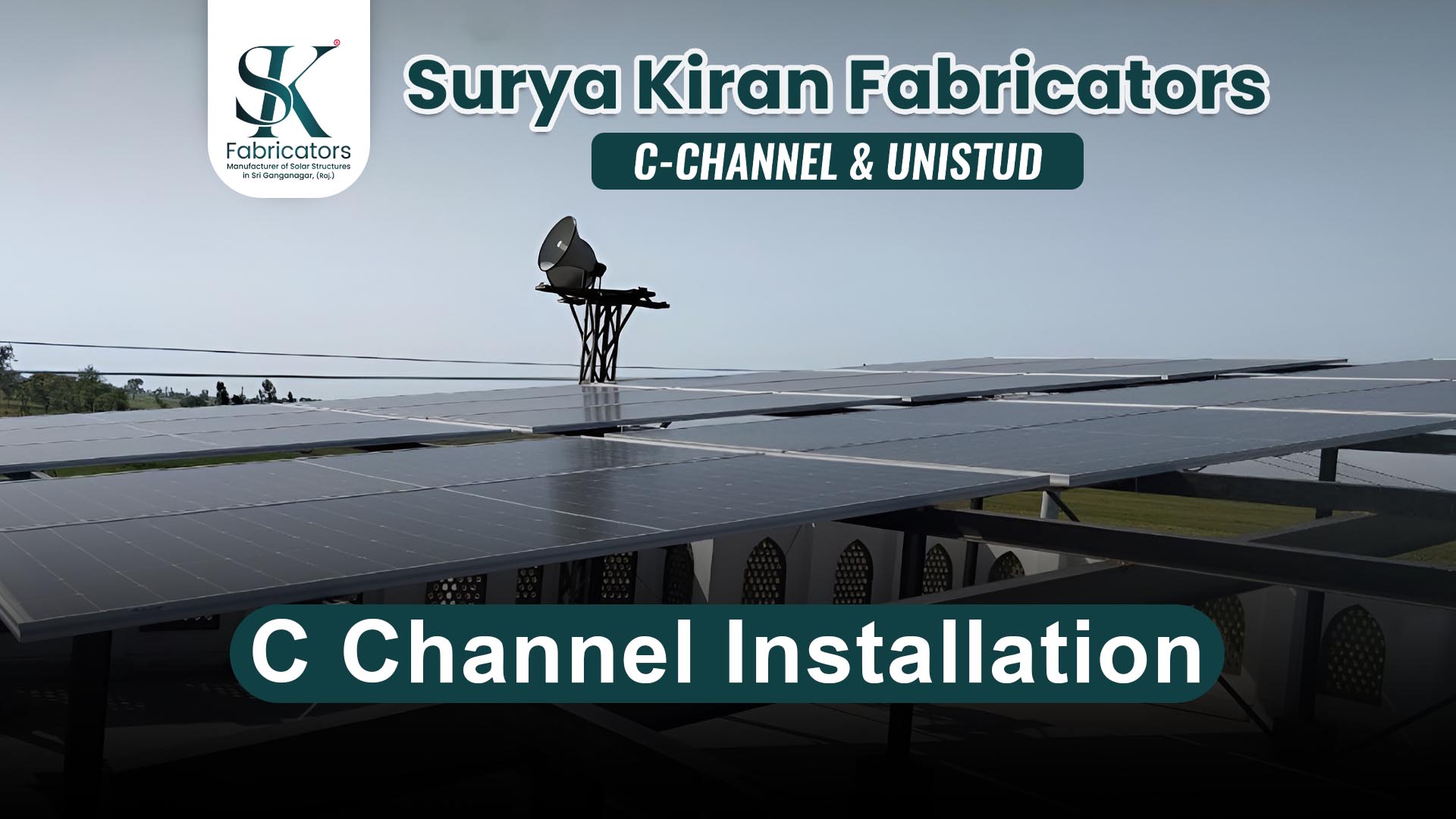
If you’ve ever looked at a shelf, roof shade, metal frame, or even a shop interior and wondered how everything stays straight, stable, and strong–there’s a high chance a C channel is doing the job in the background. Because people want stronger structures without going over budget, C channel installation is currently one of the most popular construction and do-it-yourself topics.
This blog explains everything in a fresh, user-friendly way: how C channels make your work easier, how to choose the right one, installation ideas that people often search for, and simple tips to avoid mistakes. Whether you’re planning a home upgrade or an industrial setup, this guide will help you start confidently.
What Makes C Channels So Well-liked These Days?
People look for C channel installation because these channels address typical issues such as:
- sagging shelves
- weak ceiling frames
- heavy storage issues
- shaky racks
- roof structures bending under heat
C channels are lightweight yet strong, affordable, and extremely versatile. This mix makes them perfect for both household and commercial projects.
Where People Use C Channels the Most
Here are the most commonly searched real-life uses of C channels:
Modern Home Interiors
People use C channels to support:
- TV unit frames
- Wooden shelves
- Storage cabinets
- Mandir/pooja units
- Partition designs
They prefer these because C channels give a clean finish and support heavy items easily.
Roof Sheds & Outdoor Shades
One of the top reasons people search for C Channel Installation is to build:
- car parking sheds
- balcony shades
- terrace covers
- garden roofing
Shade structures with C channels are durable, affordable, and stable.
Shop & Office Structures
Businesses use them for:
- display racks
- ceiling frames
- lighting supports
- cabin partitions
Since C channels maintain straight alignment, they are perfect for commercial use.
Industrial Strength Frames
In factories, C channels are used in solar panel structures, heavy-duty racks, machine bases, and warehouse frames. Companies like SK Fabricators provide industrial-grade installation services for these needs.
How to Choose the Right C Channel
This is the question most users ask before C Channel Installation. Here’s a simple guide:
- Decide the Purpose
Light shelves – 1 mm
Home structures – 1.2-1.5 mm
Roof shades – 2 mm
Industrial – 2-3 mm or more
- Check the Material
Steel – Strongest
Galvanized – Rust-resistant
Aluminium – Lightweight
- Measure the Length
Always buy extra 5% material for safety.
- Consider the Weight Load
Heavy load? Choose thicker channels.
- Check the Finishing
Smooth finishing prevents rust and makes installation easier.
Easy-to-follow, step-by-step instructions for installing the C channel
Here’s a unique and simplified method that even beginners can follow:
Step 1: Understand the Load
Before you start, you should ask yourself this question: What is the maximum weight that this can support?
- How much weight will this hold?
- Heavy load = strong fasteners + thicker channels.
Step 2: Mark the Area
- Use a pencil and leveler.
- Straight marking equates to straight installation.
Step 3: Pre-Fit the Channel
- To test the fit, temporarily install the channel.
- People often skip this and regret it later.
Step 4: Drill the Base Surface
- Drill slowly.
- Fast drilling creates cracks in walls or tiles.
Step 5: Bolt or screw the channel together
- gradually clamping back and forth. The channel becomes focused as a result.
Step 6: Test the Strength
- Don’t install anything immediately.
- Tap, shake, and press the channel lightly to ensure it’s solid.
Step 7: Add Final Touches
You can:
- paint over it
- cover it with wood
- leave it raw for industrial look
Unique Installation Ideas People Search the Most
Invisible Shelf Support Using C Channels
- Mount a C channel behind wooden planks.
- Result – Floating shelves that hold heavy weights.
Heavy Kitchen Storage Unit Support
- Metal channels behind the cabinets ensure the slab never sags
Fancy LED Ceiling Using Hidden C Channels
- Many modern studios use this method.
- It keeps the ceiling smooth and supports LED strips.
Car Parking Shed with Dual C Channel Frame
- Gives double strength and long life.
- A popular request for installers and fabricators.
Solar Panel Frame Support
- Most outdoor solar frames use C channels because they don’t bend under heat.
- For complex structures like these, users often contact professional builders like SK Fabricators, who specialize in custom metal framing and on-site installation.
Common Mistakes People Make (and How to Avoid Them)
Most people search online because they face these issues:
- Installing using weak wall plugs
- Overloading shelves
- Incorrect alignment
- Using painted channels outdoors
- Not checking rust protection
Here’s how to avoid them:
- Use strong fasteners
- Always check weight limit
- Re-check alignment twice
- Use galvanized channels for outdoor work
- Test the channel before full load
Maintenance Tips People Usually Look Up
C channels don’t need much care, but small things make them last longer:
- Clean dust every few months
- Check screws once or twice a year
- Paint to avoid rust
- Keep moisture away for indoor setups
- For outdoor structures, tighten nuts before monsoon
A little care = long-lasting structure.
Why Users Prefer Professional Installation
DIY is great for small tasks.
But for roof frames, outdoor shades, and industrial support, most users prefer trained installers. Professionals know:
- correct measurement techniques
- welding requirements
- weight calculations
- safety standards
Companies like SK Fabricators provide reliable services with expert precision, ensuring long-term strength and perfect alignment.
FAQs on C Channel Installation
1. Can a beginner do C Channel Installation?
Yes, simple tasks like shelves or small frames are beginner-friendly.
2. What thickness should I choose?
1 mm for light work, 2-3 mm for strong structural work.
3. Will C channels rust?
Only if not galvanized. Always choose rust-resistant material.
4. Which fasteners are best?
Steel bolts, wall plugs, anchor bolts, or welding for heavy frames.
5. Where can I use C channels in my home?
Shelves, partitions, ceilings, TV units, kitchen storage, and shade structures.
Final Words
C Channel Installation is one of the smartest ways to make any structure—small or large—strong, straight, and long-lasting. With the right material, proper fitting, and safe method, you can create high-quality support systems for homes, shops, or industries. And if you ever need professional help, SK Fabricators is known for precision work and durable metal fabrication solutions.