
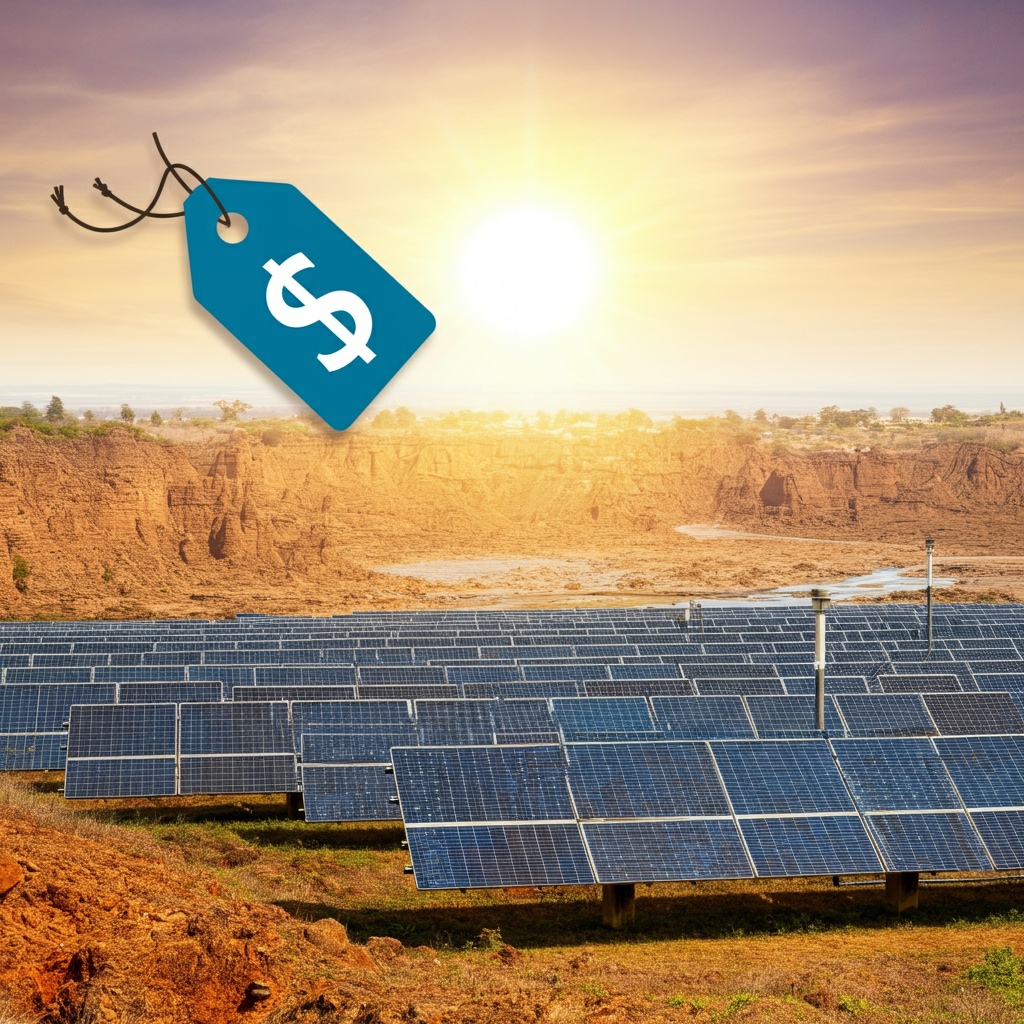
Discover Affordable Solar Structure Prices in Ganganagar
Ganganagar is quickly becoming a hotspot for rooftop solar installations and solar farms due to its high solar irradiation, government subsidies, and growing awareness. The solar structure, the mounting frame that secures your solar panels in place, is one important element that affects the total setup cost. This article will discuss the cost of solar structures in Ganganagar, the variables that influence them, the different kinds of structures that are available, installation advice, local suppliers, and more.
Importance of Solar Mounting Structures
Solar mounting structures are an essential part of every solar power system; they are not just accessories. These frameworks are essential for guaranteeing the best possible panel placement, which optimises solar exposure and, consequently, energy production. In addition to being efficient, they offer the resilience and safety required to endure environmental elements, including high winds, dust storms, and outside impacts. A good solar structure can survive for more than 25 years, which is the same amount of time as the solar panels themselves, if it is made of sturdy materials like aluminium or galvanised iron.
Furthermore, these mounting solutions are quite versatile and can be tailored to fit a range of environments and configurations, including pole-mounted installations, open ground, rooftops, and carports. Because of their adaptability, they are essential to a solar installation’s lifetime and overall performance.
What are the Solar Structure Types accessible in Ganganagar?
Knowing what kind of structure you require will help you make wiser purchases, particularly when weighing cost and performance.
a) Solar Structures on Roofs
Both residential and commercial structures frequently employ them. While inclined roof structures follow the roof’s slope, flat roof structures are usually angled between 15° and 35° to maximise solar exposure. With prices ranging from ₹3,000 to ₹6,000 per kW, they are both economical and space-efficient.
b) Structures Mounted on the Ground
These ground-mounted structures are perfect for solar farms and expansive open areas. They are available with seasonal tilt, fixed tilt, and sophisticated tracking systems that track the path of the sun. Depending on the design, prices range from ₹4,000 to ₹7,500 per kW.
c)The Structures of Carports
These multifunctional buildings are erected over parking lots to provide shade for cars and produce electricity. They cost between ₹6,000 and ₹10,000 per kW, and they are both aesthetically pleasing and structurally sound.
d) Structures Mounted on Poles
For tiny, freestanding installations like solar-powered pumps and rural setups, pole-mounted devices are utilised. These are perfect for agricultural use because they are inexpensive (between ₹2,500 and ₹5,500 per kW) and simple to install and operate.
Elements That Affect the Cost of Solar Structures
Making an informed investment requires an understanding of the factors that influence solar structure pricing. A number of market-driven and technical factors influence the ultimate cost of solar mounting systems in Ganganagar.
a) Substance Utilised
The cost, longevity, and upkeep of a solar construction are all greatly impacted by the material selection. Although aluminium is typically more expensive, it is perfect for rooftop installations because it is lightweight and resistant to corrosion. Galvanised iron (GI), on the other hand, is more reasonably priced and provides respectable durability, which makes it a popular option for both commercial and residential installations. However, Hot-Dip Galvanised (HDG) steel is the most popular choice in the dusty and arid circumstances of Ganganagar. Over the solar system’s lifetime, HDG structures offer exceptional value for money due to their long-term resistance to rust and corrosion. The slightly greater initial cost is justified by the zinc coating, which guarantees the frame will remain intact for 20 to 25 years.
b) Engineering and Design
The cost of a solar mounting structure is significantly influenced by custom engineering. Precise load analysis and structural drawings are necessary for structures intended for particular roof orientations, tilt angles, or uneven ground conditions. These customised solutions frequently need additional time, labour, and sophisticated materials, which raises the final cost. For instance, more bracing and heavier support beams can be required in areas where high wind loads are anticipated. Particularly in intricate installations, custom-designed systems provide superior performance and safety, even when typical pre-engineered structures are less expensive.
c) Amount Placed an order
When placing orders for solar structures, economies of scale have a big impact on the cost per kilowatt. Discounts of 10% to 25% are sometimes offered for bulk orders, particularly for institutional projects, big residential societies, and solar farms. Because big order volumes enable cost-effective manufacturing and shipping, vendors are more inclined to negotiate costs. Due to limited volume and customisation requirements, smaller residential setups might not profit as much and might have to spend a little bit more per kW.
d) Quality of Coating
The cost and lifespan of the solar structure are directly impacted by the caliber of the coating that is placed. In contrast to hot-dip galvanised (HDG) frames, powder-coated structures provide less protection and are typically utilised for aesthetic reasons or in low-corrosion zones. By dipping steel into molten zinc, HDG produces a strong, consistent coating that is resistant to inclement weather. HDG constructions are strongly advised in Ganganagar’s arid and dusty climate because they don’t rust even after years of exposure to the elements. Their longer lifespan and lower maintenance costs make up for their higher original cost.
e) Complexity of Installation
Another important element influencing the total cost of solar structures is the installation site’s intricacy. Specialised mounting frames, extra civil work, and occasionally even cranes or specially designed anchoring solutions are needed when installing on multi-level rooftops, sloped surfaces, or uneven terrain. The cost of labour and materials is raised by these complications. Furthermore, the overall cost may increase significantly if site access is challenging or material transportation presents additional logistical difficulties. If site conditions permit, selecting ground-mounted or standard flat-roof buildings might assist in controlling installation costs.
Tips on Solar Structure Purchases
To guarantee long-term performance and cost-effectiveness, it’s crucial to consider a number of vital elements before investing in solar structures for your Ganganagar installation.
1. Verify wind load ratings (Rajasthana requires a minimum of 150 km/h).
It’s crucial to select a building that can tolerate winds of at least 150 km/h due to Rajasthan’s severe winds and sporadic dust storms, particularly in areas like Ganganagar. During storms, structures with low wind load ratings may collapse or sustain damage, resulting in system failure and expensive repairs. Request certified wind load testing or structural analysis reports from the provider at all times.
2. For durability, choose hot-dip galvanised frames.
Given the arid and dusty climate of Ganganagar, corrosion resistance is of utmost importance. Compared to powder-coated or painted steel, hot-dip galvanised (HDG) frames have better rust resistance. HDG structures offer strong endurance for more than 20 years, even in severe weather conditions, because of their zinc coating, which is normally 80–100 microns thick. Throughout the system’s life, they provide exceptional value for money while being somewhat more costly.
3. Request an installation warranty (at least five years).
The building is sold separately by many vendors; however, they do not provide post-installation assistance. Working with vendors who offer an installation warranty of at least five years is advised. This guarantees responsibility for any structural problems, such as poor welding, loose bolts, or anchoring. Additionally, a warranty shows how confident the vendor is in their products and workmanship.
4. Examine the coating thickness and weld quality.
Weak structural points that could fracture under stress can result from poor welding. Ask for pictures of prior installations or, if at all possible, physically examine a sample of the building. Welds should be homogeneous, smooth, and free of porosity or fractures. Additionally, especially for galvanised buildings, confirm the coating thickness with a micron gauge report. A high-quality zinc coating will lower maintenance requirements and stop corrosion before it starts.
5. Examine quotes against precise specifications.
Always ask for at least two or three vendors to provide itemised quotes. Make sure the quotes cover the following: material type, wind load rating, panel capacity per structure, coating method (such as HDG or powder-coated), and delivery/installation fees. If there are differences in quality, guarantee, or supply scope, comparing just the base price could be deceptive. Choosing the best value choice that strikes a balance between price and quality is made easier with a clear comparison.
Conclusion
The cost of the solar structure is an essential budget item if you intend to build a solar system in Ganganagar, whether it is for your house, place of business, or farm. Even while it might not seem like much in comparison to panels or inverters, a sturdy, weatherproof structure can have a big impact on the longevity and performance of the system.
The cost of solar structures in Ganganagar is competitive in 2025 and mostly varies depending on type, material, and supplier. You can find solutions that satisfy your technical requirements and financial constraints thanks to the numerous local providers who provide customisable choices. The foundation of your solar power journey is its structural excellence, so don’t cut corners!