
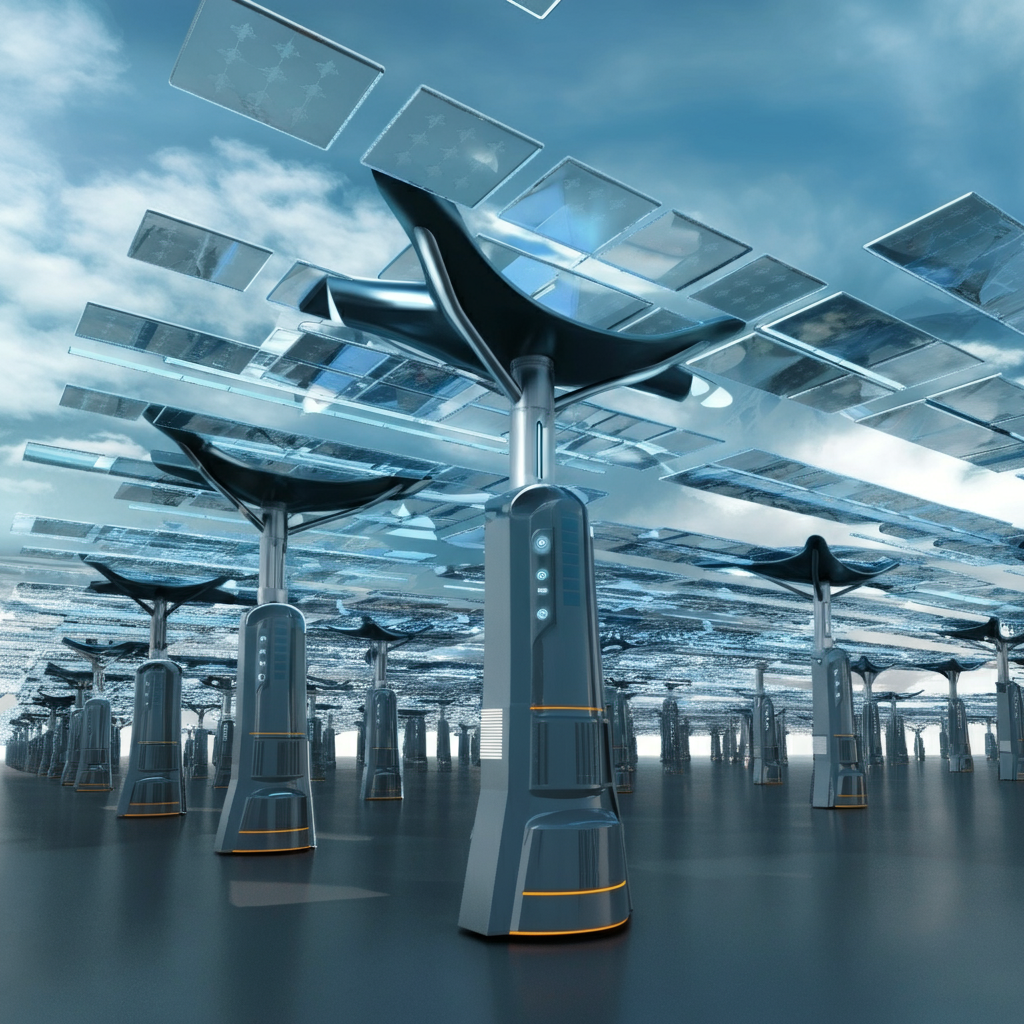
Unlocking the Secrets of Solar Structure Design
Solar energy is becoming one of the most dependable and extensively used options for producing sustainable energy due to the quick expansion of renewable energy. The design of a solar energy system’s structure is one of the numerous elements that affect its performance and efficiency. Any solar installation’s mounting structure serves as its framework, guaranteeing that the panels are securely positioned, oriented, and resilient to environmental stressors. Durability, cost, energy yield, and long-term performance are all directly impacted by the design of the solar structure, whether it is used for large-scale utility projects, commercial buildings, or residential rooftops.
The significance, types, materials, design considerations, advantages, difficulties, and upcoming trends of solar structure design will all be covered in this article.
Solar Structure Design: What Is It?
The planning, engineering, and building of the mounting framework that secures solar panels in position is referred to as solar structure design. These constructions are designed to sustain weight, withstand wind, snow, and earthquake stresses, maximise panel orientation toward the sun, and guarantee long-term endurance. The design also takes maintenance needs, installation simplicity, and space utilisation into account.
In addition to increasing system efficiency, a well-designed solar structure reduces maintenance expenses and operating dangers.
The Value of Designing Solar Structures
The quality of solar panels alone does not determine a solar power system’s efficiency; mounting and placement of the panels also play a role. The following explains the significance of solar structure design:
1. Optimised Energy Output: By maximising sun exposure with the right tilt angle and orientation, panels provide the most power feasible.
2. Structural Stability: Robust design guarantees that the system can endure earthquake activity, wind loads, and snow pressure.
3. Cost Efficiency: A well-thought-out design lowers labour costs, material waste, and the need for future repairs.
4. Space Utilisation: Effective design maximises the amount of rooftop or land that is available.
5. Longevity: Sturdy constructions provide steady performance for 20 to 25 years, extending the solar installation’s longevity.
What are Solar Structure Types Depending on Design?
1. Structures with fixed tilts
These designs are the most popular ones, with solar panels positioned at a set angle and tailored to the specific site. Fixed tilt systems are inexpensive, simple to set up, and low maintenance.
2. Structures with Seasonal Tilt
Two to four tilt angle adjustments can be made manually using them each year. Compared to fixed tilt systems, they increase overall energy generation by varying the angle seasonally.
3. Tracking Structures on a Single Axis
Panels with these motifs may track the sun’s path from east to west. They are more costly and need more frequent maintenance, but they generate 15–25% more energy than fixed systems.
4. Structures for Dual-Axis Tracking
These sophisticated structures follow the sun’s movements both vertically and horizontally. Although they are expensive, complicated, and most appropriate for utility-scale projects, they provide the highest efficiency.
5. Structures Mounted on Roofs
Structures made to accommodate flat or sloping surfaces are used to put solar panels on rooftops for both residential and commercial uses. The strength, material, and direction of the roof all affect the design.
6. Structures Mounted on the Ground
These are put in place directly on the ground using piles or foundations. When there is enough acreage available for a major project, ground-mounted devices work best.
Materials for Designing Solar Structures
The solar mounting system’s weight, cost, and durability are all impacted by the material selection. Typical materials include:
• Galvanised Steel: Steel is frequently used in ground-mounted buildings due to its strength and resistance to corrosion.
• Aluminium: This material is favoured for rooftop constructions because it is lightweight, strong, and rust-resistant.
• Stainless steel: More expensive, but offers superior corrosion resistance.
• Composite Materials: These are becoming more affordable, lightweight, and durable substitutes.
The benefits of each material vary, and the choice is influenced by the project’s location, budget, and type.
What are the Important Design Factors for Solar Structures?
1. Orientation and Tilt Angle
The amount of sunlight obtained depends on the angle at which the panels are positioned. For instance, in India, a latitude of ± 10 degrees is typically the ideal tilt angle. Throughout the year, optimal solar absorption is ensured by proper direction.
2. Snow and Wind Loads
Maximum wind speeds and anticipated snow accumulation in the area must be taken into account during design. Failure to do so could result in panel damage or structural collapse.
3. Earthquake Damage
To maintain stability, specific structural reinforcements are needed in earthquake-prone areas.
4. Foundation Design
The long-term performance of ground-mounted systems depends on the kind of soil, pile depth, and foundation strength.
5. Protection Against Corrosion
Anodising, galvanisation, or anti-corrosive coatings are necessary to guarantee longevity, particularly in humid or coastal regions.
6. Distribution of Weight
Before completing the design for rooftop installations, the load-bearing capacity of the roof must be evaluated. In these situations, lightweight materials like aluminium are ideal.
7. Simplicity of Upkeep and Installation
Designs should make it easy to install panels and to maintain and clean them.
8. Visual Appeal
The design of solar structures in residential and commercial buildings must strike a balance between practicality and aesthetics.
Advantages of Appropriate Solar Structure Architecture
1. Increased System Efficiency: Power output is increased by a well-designed structure that optimises solar energy absorption.
2. Longer System Life: The lifespan of solar panels and supporting structures is increased by robust engineering and long-lasting materials.
3. Safety Assurance: Appropriate design reduces the possibility of accidents during earthquakes and storms, panel displacement, and structural damage.
4. Cost Savings: The overall cost of ownership is decreased by less upkeep, fewer repairs, and better energy production.
5. Sustainability: The Adoption of renewable energy sources and environmental preservation are two overarching objectives that are aided by efficient design.
What are the Difficulties in Designing Solar Structures?
Despite developments, designing solar buildings still presents difficulties:
• High Initial Cost: Trackers and other advanced designs come at a high cost.
• Site-Specific Restrictions: Design viability is impacted by geography, soil type, roof conditions, and shading.
• Maintenance Problems: For tracking systems to operate well, they need to be maintained regularly.
• Environmental Factors: While snowy regions require higher load-bearing structures, coastal regions experience corrosion problems.
• Standardisation Issues: Differences in performance and quality result from a lack of consistent international standards.
Developments and Patterns in the Design of Solar Structures
1. Lightweight Composite Materials: These materials reduce the weight of structures without sacrificing strength.
2. Component 3D printing: This technology expedites solar structure modification and prototyping.
3. Floating Solar Structures: To save land and boost efficiency, solar panels can be mounted on bodies of water.
4. Bifacial Panel Structures: These are designs that increase output by allowing panels to receive sunlight from both sides.
5. AI-enabled trackers: They maximise solar absorption through movement optimisation and are known as smart tracking systems.
Solar Structure Design Applications
• Residential Rooftops: These are modest home buildings.
• Commercial Buildings: Office buildings, shopping centres, and other businesses incorporate larger rooftop designs.
• Utility-Scale Projects: Large, ground-mounted solar farms with cutting-edge architecture.
• Agrovoltaics, or agricultural fields, are multifunctional constructions that enable crop production underneath solar panels.
• Floating Solar Farms: Creative uses of reservoirs, lakes, and dams.
Conclusion
In order to ensure efficiency, safety, and long-term performance, solar structure design is essential. Solar energy has become an essential component of the global renewable energy landscape. Every design, from sophisticated dual-axis trackers to fixed tilt structures, is customised to meet the requirements, finances, and sites of a given project. Among the many variables that affect a solar mounting system’s performance are material choice, tilt angle, wind load capability, and ease of maintenance.
Future solar structure design will be influenced by cutting-edge materials, AI-powered trackers, and environmentally friendly solutions as technology develops. Purchasing a sturdy and well-designed solar structure is not only an option but also a need for governments, corporations, and households looking to meet sustainability targets.