
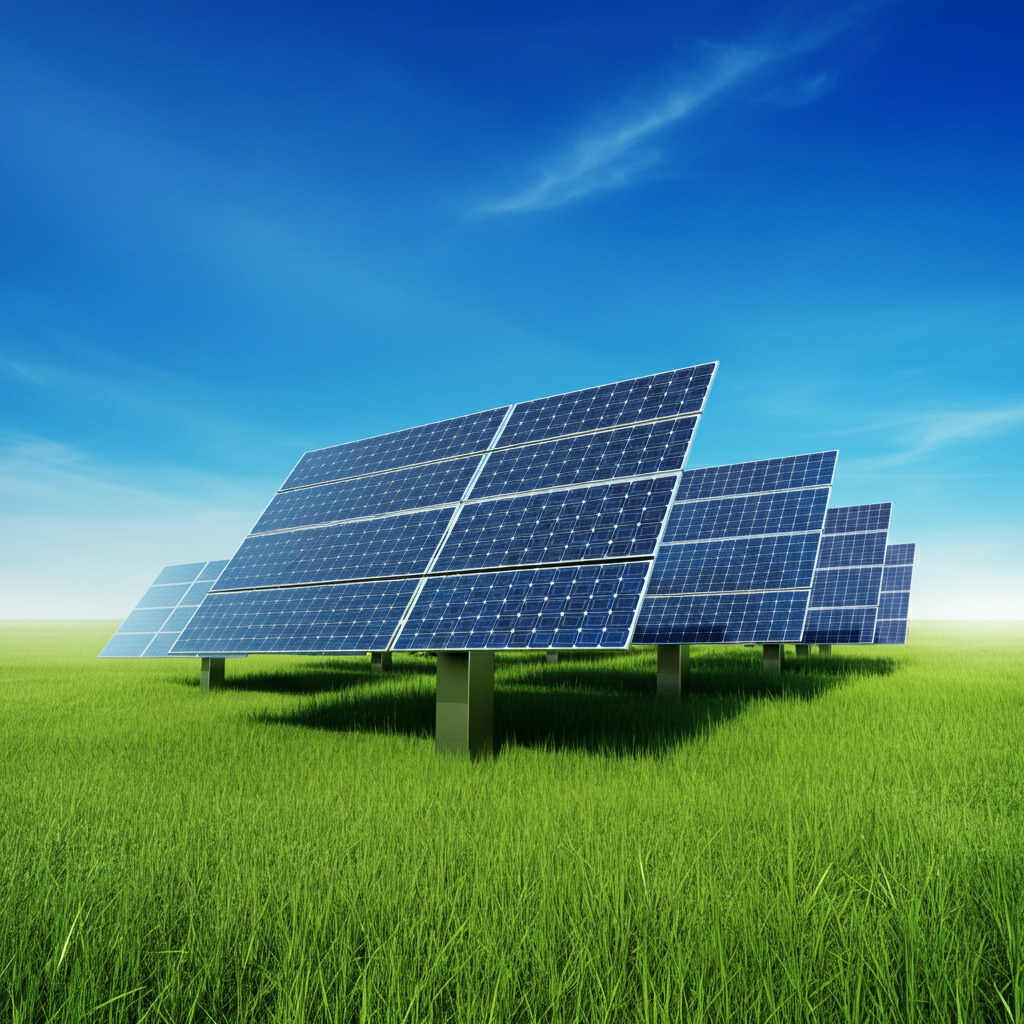
A Step-by-Step Approach to GI Structures in Solar Projects
Solar energy has become one of the most dependable, affordable, and sustainable options as the demand for renewable energy sources rises globally. Long-term efficiency in any solar system, whether it is utility-scale, commercial, or residential, depends heavily on the robustness and longevity of the supporting structure. Because of their strength, resistance to corrosion, and affordability, galvanised iron (GI) structures have emerged as a popular option among the various materials used for solar panel mounting.
Everything you need to know about GI construction for solar will be covered in this comprehensive guide, including kinds, applications, cost considerations, maintenance, and its significance and advantages.
What is a Solar GI Structure?
A mounting framework composed of galvanised iron that holds solar panels is known as a GI structure for solar. The process of applying a protective layer of zinc to iron or steel to stop rust and corrosion is known as galvanisation. Because of this, GI constructions are extremely resilient, particularly in outdoor settings where solar panels are subjected to inclement weather, including heat, humidity, and rain.
In order to optimise energy generation, solar projects employ these structures to secure panels at the proper tilt angle and orientation. They are frequently utilised in solar farms, ground-mounted systems, and on rooftops due to their affordability and versatility.
The Significance of GI Structures in Solar Installations
Although solar panels have a 25-year lifespan, their effectiveness is highly dependent on the stability and strength of the supporting structure. GI structures for solar are essential for the following reasons:
• Durability: Structures made of galvanised iron are resistant to rust, UV radiation, and environmental stress.
• Cost-Effectiveness: GI provides a balance between performance and affordability when compared to stainless steel or aluminium.
• Load Bearing Strength: They are appropriate for both small and large installations since they can support heavy panel weights.
• Long Lifespan: GI structures have a lifespan of more than 20 years when properly maintained.
• Wide Availability: GI materials are readily accessible in all regions, which guarantees quicker project execution.
GI Structure Benefits for Solar
1. Resistance to corrosion
Even in humid or coastal areas, GI constructions’ long-term structural integrity is guaranteed by their zinc coating, which makes them resistant to rust.
2. Great Power
Because of its exceptional mechanical strength, galvanised iron keeps panels from bending or breaking in high winds.
3. Cost-effectiveness
GI structures are appropriate for projects with a tight budget since they are less expensive than stainless steel or aluminium alternatives.
4. Simple Establishment
Because these buildings are made to be assembled in modules, installation time and labour expenses are decreased.
5. Resistance to Weather
GI constructions provide reliable performance in a range of environmental circumstances, including wind stress, intense sun exposure, and heavy rain.
6. Minimal Upkeep
Long-term maintenance costs are reduced because GI doesn’t need to be painted or coated as frequently as untreated iron.
What are the GI Structure Types for Solar?
Depending on the installation requirements, there are several varieties of GI constructions for solar:
1. GI Structures on Rooftops
These structures are used to support solar panels on flat or sloping rooftops in both residential and commercial buildings. They can be tailored to the type of roof, are lightweight, and are simple to install.
2. GI Structures Mounted on the Ground
These structures are appropriate for large-scale solar farms because they are put directly into the ground. Depending on the solar design, they can be either fixed-tilt or adjustable.
3. GI Structures with Fixed Tilt
All year long, these structures maintain panels at a consistent angle. They are frequently utilised in both residential and commercial buildings since they are easy to use and reasonably priced.
4. Adjustable/Seasonal Tilt GI Structures
In order to optimise energy output, panels can be changed according to seasonal variations. They are a little more costly, but they are more efficient.
5. GI Structures for Carports
GI structures are used by solar carports to generate electricity and provide shaded parking spaces. They produce solar energy in addition to protecting vehicles.
6. Elevated GI Structures and Canopy
Elevated structures are used in places where space is limited because they support panels above and allow space for activities below.
Elements Influencing Solar Price GI Structure
Several criteria are taken into consideration while determining the cost of a GI construction for solar:
1. Installation Type: Carport, ground-mounted, and rooftop installations have a big impact on price.
2. Load-Bearing Capacity: The cost of structures made for heavy-duty tasks is higher.
3. Coating Thickness: Although a thicker zinc coating increases longevity, it also raises costs.
4. Project Scale: Costs per unit are decreased by bulk installations.
5. Location & Climate: Special coating may be needed in coastal and high-humidity zones, which would raise the cost.
6. Design Complexity: Compared to typical designs, custom ones, such as raised or canopy structures, are more expensive.
7. Manufacturer and Supplier: Well-known manufacturers may have slightly higher prices, but they also provide better quality and warranties.
GI Structure Applications for Residential Solar Rooftop Systems
Due to their affordability, durability, and ease of installation, GI structures are frequently utilised in residential rooftop solar installations. They are appropriate for homes where long-term performance is a top concern because of their corrosion resistance, which guarantees a long lifespan.
Commercial Structures
Solar panels on large business rooftops need sturdy, dependable support, and GI structures offer the perfect mix of price and strength. They provide outstanding durability for business energy needs and can support large panel loads.
Manufacturing Facilities
GI ground-mounted solar systems work very well in enterprises with large roofs or open spaces. They provide the endurance and load-bearing capability needed to manage massive solar power output for warehouses and factories.
Farms using Solar Power
Ground-mounted GI structures are frequently used in utility-scale solar farms due to their durability, affordability, and ability to support thousands of panels. They are ideal for long-term power projects because of their resilience to adverse environmental conditions.
Fields of Agriculture
In agriculture, GI buildings also facilitate solar-powered water pumping and irrigation systems. Farmers can efficiently use open space and produce renewable energy by putting in ground-mounted structures.
Parking Lots & Solar Carports
Shaded parking spaces and solar carports are also constructed using GI constructions. These multifunctional buildings are a useful addition to metropolitan areas since they not only produce renewable energy but also shield and shade cars.
Procedure for Installing a GI Structure for Solar
1. Site analysis and planning
To create the ideal plan, engineers examine the type of roof, the orientation, and the strength of the soil (for ground mount).
2. Fabrication of Structures
Sections of galvanised iron are cut and constructed in accordance with project specifications.
3. Establishing the Foundation
To guarantee stability, either ground foundation work or rooftop anchoring is carried out.
4. Mounting Structures
Bolts are used to construct and secure the GI framework.
5. Installation of the Panel
Clamps are used to secure the solar panels to the GI construction.
6. Last Exam
Before commissioning, engineers inspect for alignment, tilt angle, and durability.
GI Structure Maintenance
Even though solar GI constructions are made to survive for a long time with little care, regular maintenance guarantees optimal longevity and effectiveness. While regular inspections for scratches or coating wear can guard against possible corrosion, cleaning the structure regularly to get rid of dust, debris, or bird droppings helps avoid surface damage. Bolts, nuts, and clamps should also be routinely inspected and tightened because wind or panel movement might generate vibrations that eventually release them. To keep alignment and identify any structural problems early, a yearly professional check is advised. This will guarantee that the solar panels stay firmly in place for the best possible energy production.
GI Structures’ Future in the Solar Industry
The need for affordable, long-lasting, and accessible mounting solutions is growing as India and other nations aim for widespread solar adoption. Because GI constructions blend price, strength, and longevity, they are an ideal solution for this requirement.
Furthermore, improved rust resistance due to new galvanisation procedures makes GI even more dependable for long-term applications.
Conclusion
The solar GI structure is now a crucial part of the renewable energy industry. It is a popular option for solar installations in homes, businesses, and industries due to its strength, resistance to corrosion, affordability, and adaptability.
GI structures provide the ideal ratio of performance to cost, regardless of the size of your solar farm or rooftop installation. Solar panels can produce clean, effective electricity for decades if they are installed and maintained properly.
In addition to selecting a dependable framework, purchasing a GI construction for solar energy also helps ensure a sustainable future driven by renewable energy.