
How to Install a Solar Panel Mounting Structure?

One of the most dependable and sustainable energy sources, as the globe gradually moves toward renewables, is solar electricity. Although solar panels typically receive the most attention, the mounting framework for the panels is another crucial component that is essential to the system’s effectiveness, robustness, and safety.
This article provides a detailed overview of the various types, materials, design factors, installation advantages, and emerging trends in solar panel mounting structures. Knowing the mounting structure is as crucial to your solar energy investment as choosing the appropriate panels.
What is a mounting structure for solar panels?
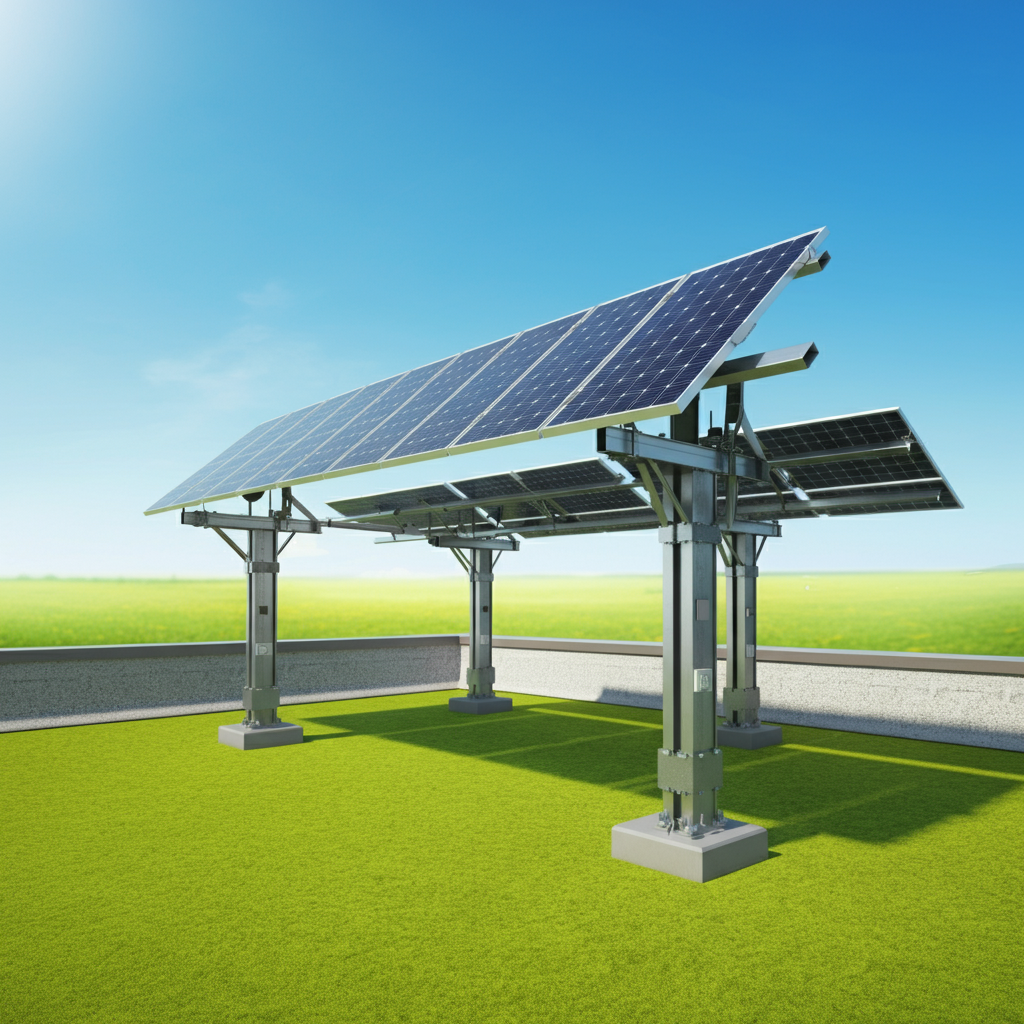
The actual framework that holds and fastens solar panels to roofs, the ground, or other surfaces is known as a solar panel mounting system. It guarantees that panels are positioned, oriented, and tilted correctly to optimise solar absorption. In addition to offering stability, it shields the panels from adverse weather conditions, such as snow, rain, and strong winds.
Even the most efficient solar panels cannot function at their peak efficiency without a sturdy mounting system. As a result, the building serves as the foundation for all solar energy systems.
The Value of a Structure for Mounting Solar Panels
Holding panels in place is just one aspect of the mounting structure’s function. Its significance can be comprehended from multiple angles:
1. Maximum Energy Production: The mounting mechanism improves the capture of solar energy by maintaining panels at the proper tilt and orientation.
2. Structural Safety: During severe weather conditions like hurricanes or cyclones, a sturdy structure guards against harm.
3. Solar Panel Longevity: Correct mounting lessens stress and guards against microcracks, which can impair panel performance.
4. Ease of Maintenance: Solar panel washing and inspection are made simple by well-designed structures.
5. Cost Efficiency: Selecting the appropriate mounting structure lowers long-term repair and replacement expenses, even though this is frequently disregarded.
What are the Types of Structures for Mounting Solar Panels?
There are various kinds of solar panel mounting structures that are appropriate for particular uses, roof types, and geographical locations. Let’s examine the main kinds:
1. Structures Mounted on Roofs
Both residential and commercial settings frequently use roof-mounted equipment. They can be further divided into:
• Flat Roof Mounting Structures: Typically, ballast or anchored mounts are used to place panels at a tilt angle on structures with flat rooftops.
• Sloped Roof Mounting Structures: Usually requiring little further tilt adjustment, these structures are installed directly on inclined rooftops and follow the natural slope.
Structures that are mounted on the roof save space and are perfect for urban settings with little ground area.
2. Structures Mounted on the Ground
Ground-mounted solar systems are supported by steel or aluminium frames that are anchored to the ground and are situated on open terrain. These are quite effective since they provide tilting and positioning freedom.
• Standard Ground Mounts: Easy to use, reasonably priced, and angled.
• Pole Mounts: Ideal for modest installations, panels are fixed to a single pole.
• Foundation Mounts: For further stability, panels are fastened to concrete foundations.
Large-scale solar farms frequently use ground-mounted equipment.
3. Structures for Floating Solar Mounting
Installing floating solar mounting structures on bodies of water, such as lakes, dams, or reservoirs, is a new trend. They enhance the effectiveness of panel cooling, limit water evaporation, and reduce land consumption.
4. Monitoring Structures for Solar Mounting
These cutting-edge mounting devices move solar panels to follow the course of the sun throughout the day.
Single-Axis Trackers: These panels increase energy output by 20–25% as they move from east to west.
Dual-axis trackers maximise solar energy capture by up to 35–40% by allowing panels to move in two directions.
Energy yield is greatly increased by tracking structures, despite their higher cost.
5. Structures for Building Integrated Photovoltaics (BIPV)
These mounting methods are aesthetically pleasing and are built right into building components like roofs, windows, and facades. They contribute to the building’s design and act as a source of energy.
Materials for Structures That Mount Solar Panels
1. Steel that has been galvanised
Galvanised steel’s strength, durability, and affordability make it one of the most popular materials for solar panel mounting systems. Because of its protective zinc coating, it is impervious to corrosion and rust, even in severe weather. Because it can tolerate large loads and high winds, this material is perfect for both rooftop and ground-mounted systems, guaranteeing structural stability for many years to come. It is a well-liked option for extensive solar installations because of its affordability and long lifespan.
2. Aluminium
Another typical material that is well-known for its remarkable strength and lightweight nature is aluminium. Aluminium is ideal for coastal and humid areas since it is naturally corrosion-resistant and does not corrode like steel does. It is the recommended option for residential solar systems because of its lightweight design, which lessens the strain on rooftops. The ease of transportation, installation, and maintenance of aluminium mounting structures lowers project costs and installation time.
3. Stainless steel
When optimum strength and longevity are needed, stainless steel is a premium material utilised in solar installation systems. Because of its remarkable corrosion resistance, it can be installed in areas that are exposed to a lot of moisture or chemicals, such as industrial, coastal, or excessively humid settings. Stainless steel is a good option for expensive or important solar projects because it guarantees long-term performance and requires less maintenance than galvanised steel and aluminium.
4. FRP, or fibre-reinforced plastics
The use of Fibre-Reinforced Plastics (FRP) for solar panel mounting systems is growing, particularly in regions that are subjected to high levels of salinity and moisture. Because FRP is electrically non-conductive, lightweight, and non-corrosive, it gives the solar setup an additional degree of security. These constructions are especially helpful in coastal areas where exposure to saltwater may cause metal-based mounts to deteriorate more quickly. FRP has great long-term advantages in terms of durability and maintenance-free operation, while being more expensive and relatively new when compared to traditional metals.
What are the Advantages of Using the Right Mounting Structure for Solar Panels?
The entire solar energy system will operate well and last for a long time if the solar panels are mounted using the right construction. The alignment of the panels at the proper tilt and orientation is maintained by a well-designed structure, which greatly improves energy production and system performance. By shielding panels from severe weather conditions like wind and rain, it also offers stability and safety while lowering the possibility of damage.
Maintaining consistent energy output is made easier with the correct mounting mechanism because panels can be easily cleaned and inspected regularly. Scalability is another significant benefit since modular mounting solutions make it simple to expand the solar arrangement in the future without having to completely redesign it.
Furthermore, despite the initial outlay, a dependable mounting structure is very cost-effective because it lowers replacement and maintenance expenses over time. Beyond these monetary and practical benefits, it also promotes sustainability because a sturdy construction increases the panels’ lifespan and reduces material waste.
What are the Problems with Structures for Mounting Solar Panels?
Despite its significance, solar panel mounting systems have some drawbacks that should be carefully taken into account while designing and setting up. The high initial cost is one of the main issues, particularly when utilising high-end materials like stainless steel or cutting-edge technologies like solar trackers, which can dramatically raise project costs.
Additionally, installation might be challenging in crowded urban settings with small, uneven, or shaded rooftops that restrict design options. Assuring proper structural stability becomes a significant difficulty in areas vulnerable to extreme weather events like cyclones, heavy snowfall, or seismic activity. These areas frequently call for additional reinforcements, which raises expenses. Additionally, maintenance might be a problem, especially for tracking and floating systems that require routine inspection and maintenance due to their water-based setups or moving elements.
The long-term longevity of the structures might also be impacted by environmental conditions, such as soil erosion for ground-mounted systems or corrosion in coastal areas. To overcome these obstacles and guarantee that the solar mounting system is dependable and effective for the duration of its life, a balance must be struck between material selection, engineering design, cost control, and site-specific modification.
Conclusion
A solar panel mounting structure is an essential part that determines the effectiveness, security, and longevity of a solar power system. It is more than just a supporting framework. Selecting the appropriate mounting system is an investment that yields long-term benefits, regardless of whether you are a business constructing a massive solar farm or a homeowner installing rooftop solar.
Innovative constructions like floating solar, AI-based trackers, and lightweight, environmentally friendly materials are transforming the sector as technology develops.