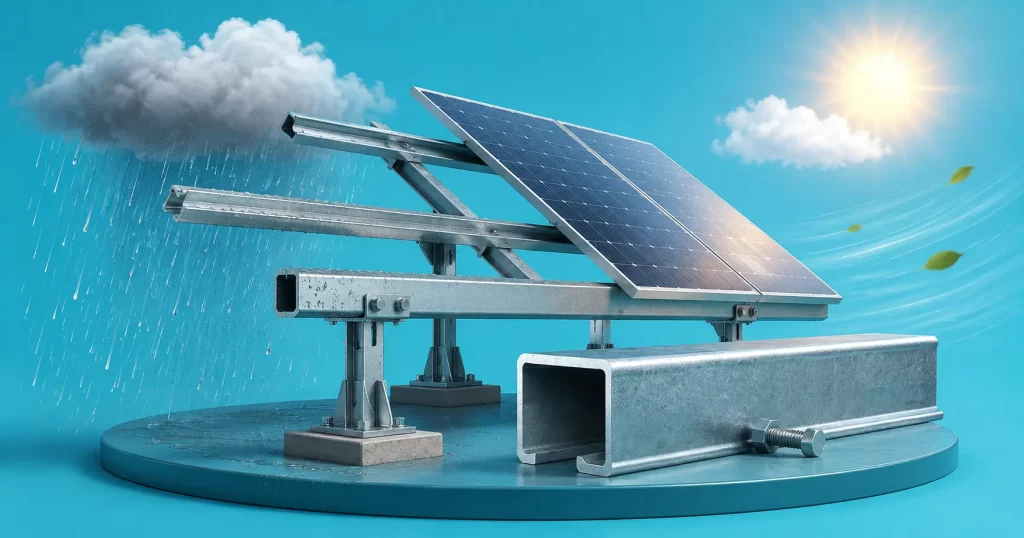
A strong structure is not created only by choosing strong steel.
Many people focus on the C Channel size, quality of material, and design, but the importance of the condition in which the installation takes place is often ignored.
Weather does not usually create problems overnight. It works slowly. A little moisture in a connection point, wrong alignment during extreme heat, or poor fixing during strong winds may initially seem harmless, but these small mistakes affect the strength and durability of the entire structure.
C Channel installation is a process where steel sections are fixed into a framework with accurate alignment, proper fastening, and suitable support. Since most C Channel applications are outdoor projects, weather conditions directly influence installation quality.
This becomes especially important for C Channel solar structures, industrial sheds, warehouses etc. where steel is exposed to environmental conditions.
A good installation not only depends on the steel used, but it also depends on how well the installation process adapts to the surrounding environment.
Why Does Weather Matter Before Starting C Channel Installation?
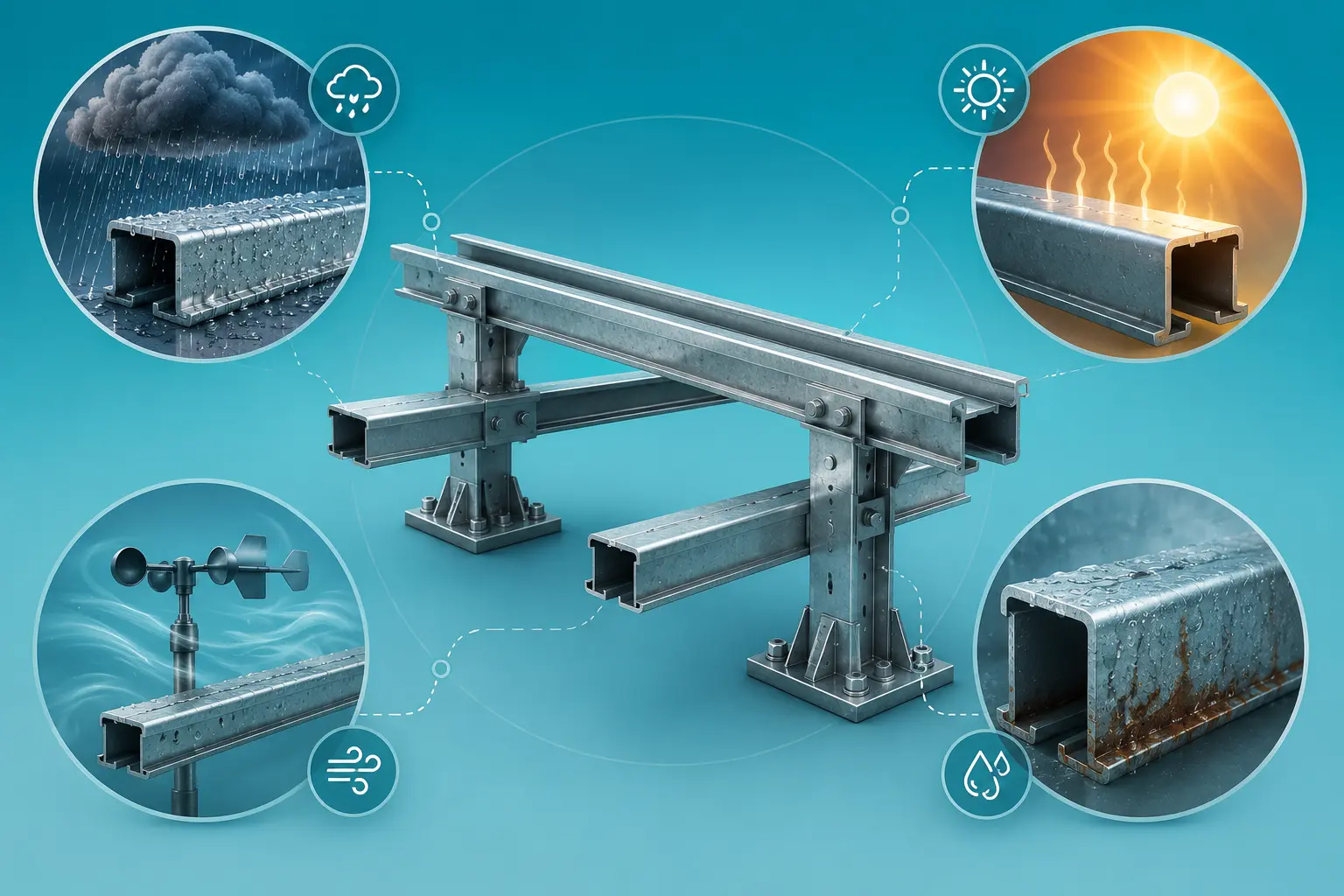
Weather matters during C Channel installation because temperature, moisture, and wind conditions can affect steel handling, alignment accuracy, corrosion protection, and worker safety.
The performance of a C Channel section designed to provide structural support is dependent on the installation.
Before they began the work, contractors must analyse:
- Site conditions
- Weather forecast
- Storage conditions of the material
- Foundation readiness
- Safety requirements
For example, mild steel C Channels in humid areas require more attention towards protection from corrosion than those in dry regions.
Similarly, outdoor structures such as solar mounting systems have continuous exposure to sunlight, rainfall, and wind, thus making proper planning significant.
The goal is simple, the structure should not only look correct on the installation day but should continue performing years later.
What Happens When Rain Interrupts C Channel Installation?
Rain increases moisture, reduces accuracy, and creates corrosion risks in steel sections and connection points. So continuous contact with moisture can affect the condition of the C Channel.
Rain is one of the most common challenges during outdoor steel installation. Water does not immediately damage a C Channel steel section, but continuous moisture exposure can slowly affect its surface condition.
Installer may face these problems during rainfall:
- Wet steel surfaces
- Difficulty handling long sections
- Reduced grip during fixing work
- Water entering joints and connections
- Increased risk of corrosion
For mild steel C Channel, moisture control is especially important because exposed steel can react with water and oxygen, leading to rust formation.
| Rain Condition | Effect on C Channel Installation |
| Light rainfall | Creates wet surfaces and slows work |
| Heavy rainfall | Increases safety risks and delays |
| Long moisture exposure | Raises corrosion possibility |
Before continuing installation during rainy conditions, teams should check if:
- Is the foundation area stable?
- Are steel sections protected from water?
- Are connection points dry before fixing?
- Is the working area safe?
Poor management of moisture during installation influences long-term performance.
Can C Channel Installation Continue During Monsoon?
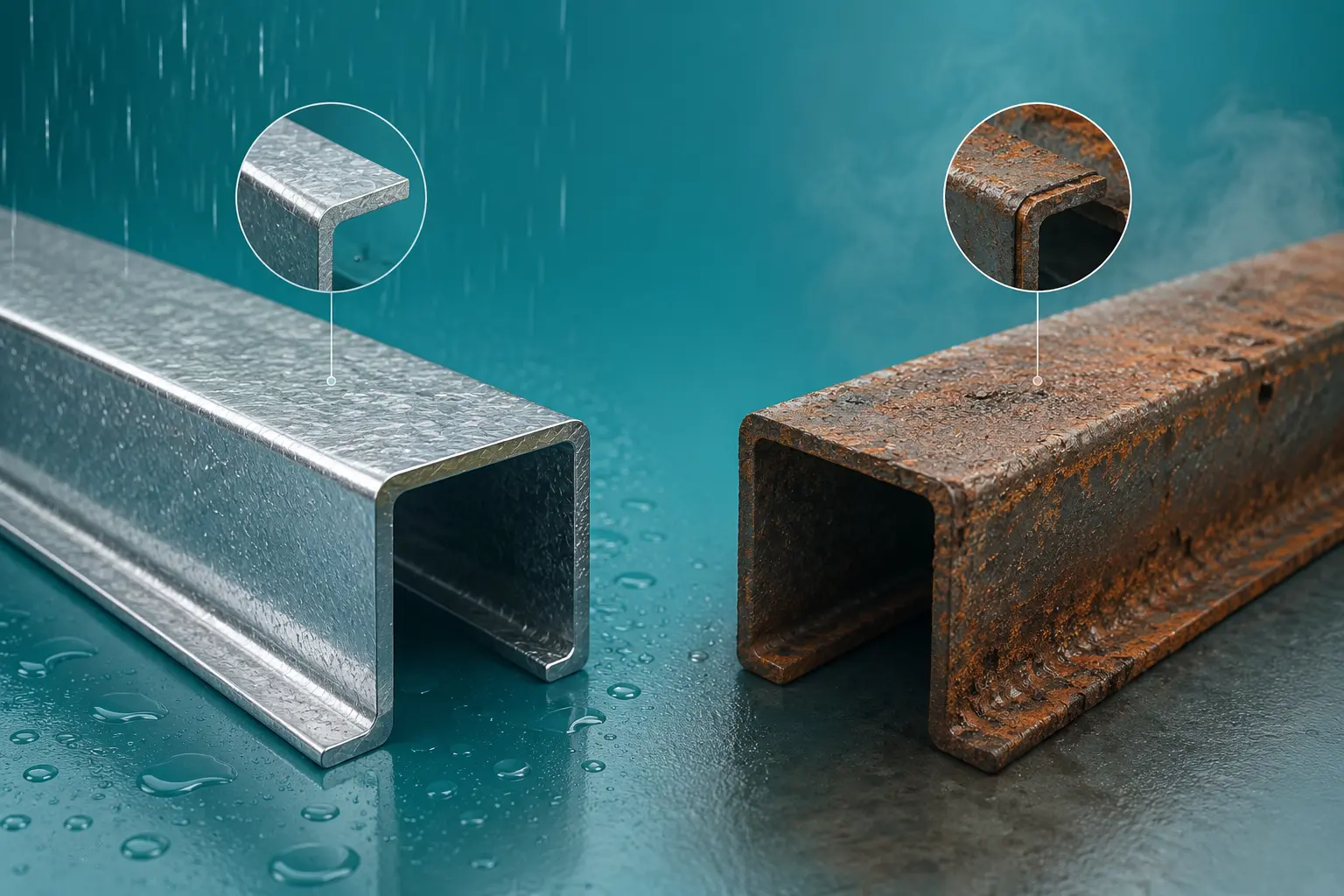
C Channel installation can continue during monsoon only when proper protection of the material, drainage control, and corrosion prevention are ensured.
Monsoon creates a different challenge because moisture remains in the atmosphere even after the rainfall stops.
For C Channel solar structure installation, this becomes more important because solar frameworks are generally installed in open areas where they have direct exposure to weather.
During monsoon installation, contractors should consider:
- Keeping C Channel sections above wet ground
- Covering stored material properly
- Removing water accumulation around foundations
- Inspecting steel before installation
- Protecting exposed cut edges and joints
Poor storage is one of the common mistakes during rainy seasons. Leaving steel sections directly on the ground can increase moisture even before the installation begins.
A planned installation approach maintains structural quality even during challenging weather conditions.
How Does Extreme Heat Challenge C Channel Installation?
Extreme heat influences expansion, measurement accuracy, handling and working efficiency during the installation.
Steel expands when exposed to high temperatures and contracts with decrease in temperature. Although this is normal, it becomes important when installing long structural sections where accuracy matters.
High temperatures can create challenges such as:
- Hot steel surfaces during handling
- Difficulty maintaining measurement accuracy
- Reduced worker productivity
- Faster drying of protective coatings
The inconvenience caused by temperature can be managed by:
- Avoiding unnecessary material exposure under direct sunlight
- Checking measurements before final fixing
- Handling heated sections carefully
- Maintaining proper alignment during installation
Correct C Channel dimensions combined with accurate installation ensure that the structure performs as expected.
Why Is Wind Control Important for C Channel Solar Structure Installation?
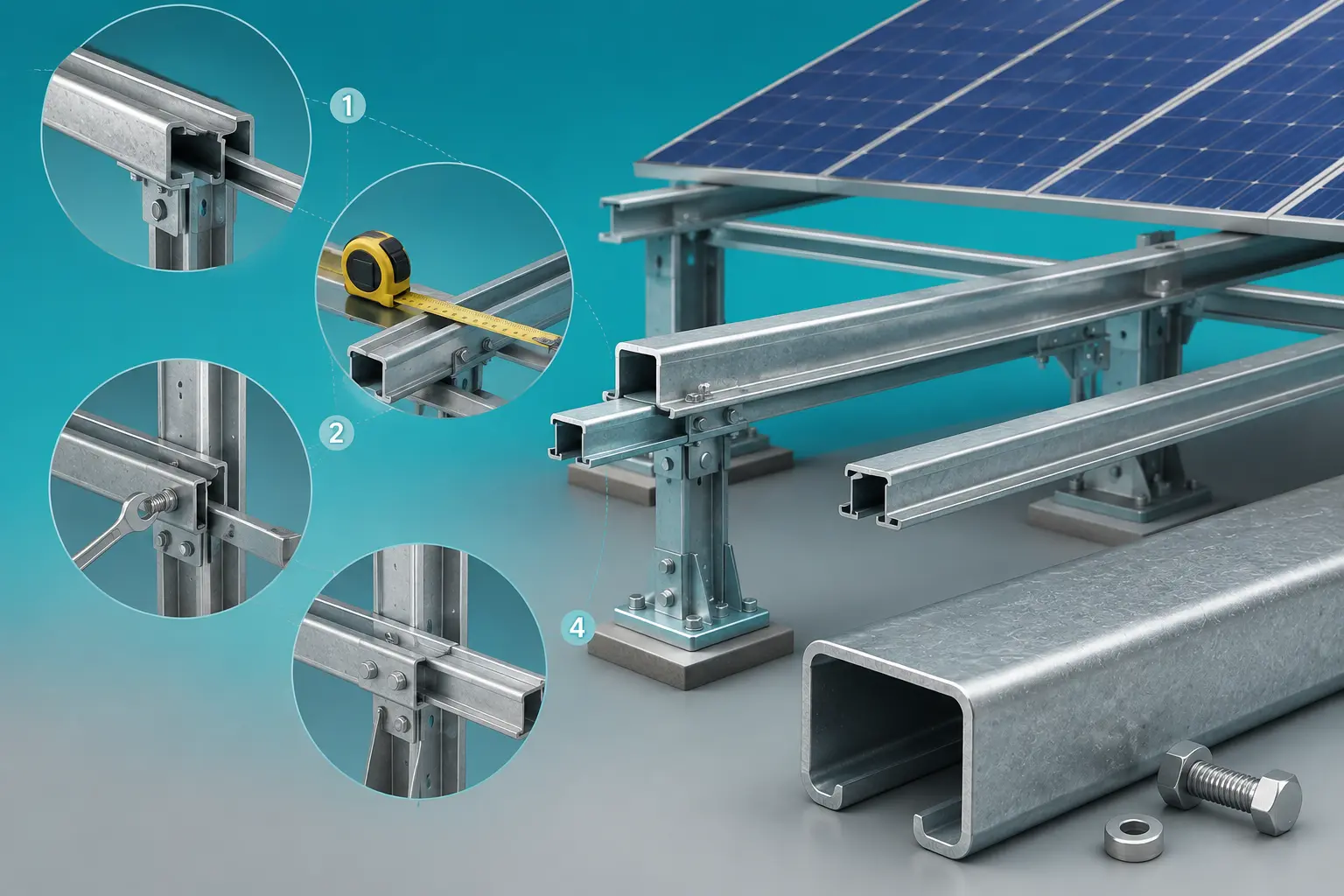
Wind affects C Channel solar structure installation by making steel sections difficult to handle, align, and safely fix, especially in open outdoor locations.
Unlike rain or heat, wind creates a movement challenge during installation. Long C Channel sections are difficult to control while positioning them for solar mounting structures or large frameworks.
Strong wind conditions can affect:
- Placement accuracy of C Channel sections
- Temporary supports during installation
- Worker safety at height
- Alignment between connected members
Alignment is essential in C Channel Solar structures as the complete frame depends on the working of its constituent sections.
During strong winds, these should be ensured:
- Lock down areas before the final installation
- Lifting technique
- Aligning before bolting
- Halting the installation in case of unsafe winds
The strength of a C Channel section is dependent on the quality of the material and proper installation practices. Even a premium steel section may not survive longevity, if installed out of alignment.
How Does Humidity Impact Mild Steel C Channel Durability?
Humidity affects mild steel C Channel durability by increasing moisture exposure, which can accelerate corrosion over time.
Humidity is a concern when steel surfaces are exposed to moisture for long periods. This is common in coastal areas where structures are exposed to regular weather changes.
The durability of a C Channel structure depends not only on installation practices but also on the quality of the steel used. Choosing products from the best C Channel manufacturers ensure that they can by far enhance durability.
However, high-quality C Channel sections also require proper protection, as certain areas of the structure are more vulnerable to corrosion. These usually include:
- Cut edges
- Drilled holes
- Welded joints
- Bolt connections
- Damaged coating areas
A protected mild steel C Channel can provide long service life, but poor maintenance and continuous contact can reduce durability.
| Humidity Condition | Possible Impact |
| Low humidity | Lower corrosion risk |
| High humidity | Faster rust formation |
| Moisture trapped in joints | Internal corrosion risk |
To improve corrosion resistance:
- Ensure surface protection
- Avoid storing steel in wet areas
- Inspect damaged coatings
- Maintain drainage around structure
For outdoor applications, selecting suitable C Channel steel and protecting it properly is important for long-term performance.
Which C Channel Sizes and Dimensions Perform Better in Outdoor Conditions?
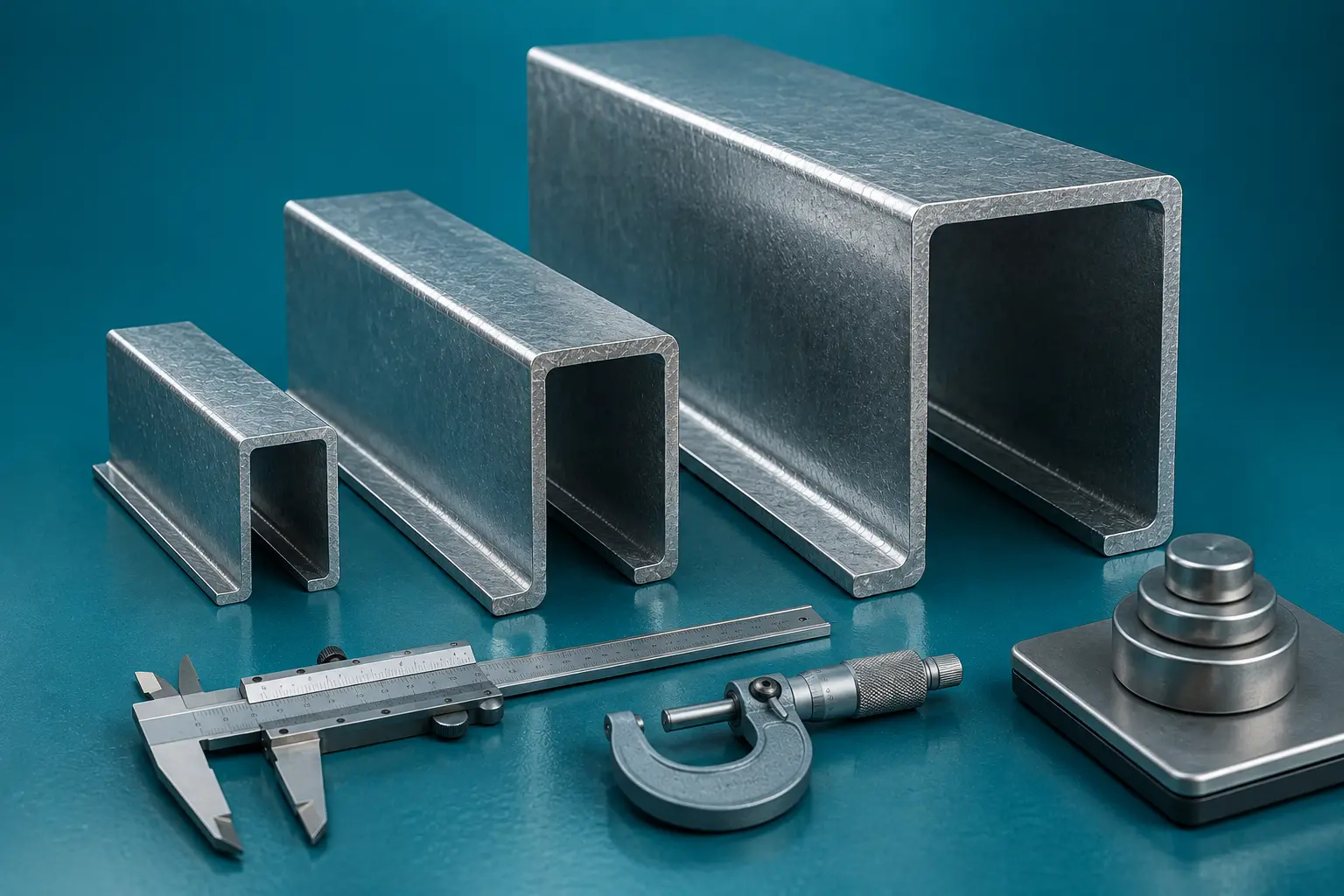
The right C Channel sizes and dimensions help the structure handle environmental loads while simultaneously maintaining stability and durability.
MS C Channel sizes vary from one project to the other. A lightweight fabrication project may use a smaller section, while a solar mounting structure or industrial application may require stronger dimensions.
The selection of a C Channel depends on:
| Factor | Importance |
| C Channel dimensions | Determines section capacity and fitting requirements |
| Thickness | Influences strength and durability |
| C Channel weight | Indicates material quantity and load capability |
| Application | Defines required structural performance |
Understanding Steel C Channel dimensions helps engineers and fabricators choose sections according to:
- Load requirements
- Installation conditions
- Structural design
- Environmental exposure
Selecting the appropriate section before installation will ensure fewer issues down the line and increased overall reliability.
How Does C Channel Weight Influence Structural Performance?
C Channel weight indicates the amount of steel used in a section and helps determine its strength, load capacity, and suitability for different applications.
As for weather, it will not affect the actual weight of a C Channel but exposure to the elements can affect its performance over time.
For example, corrosion can gradually eat into the thickness of steel and this can reduce the original strength of the section.
C Channel weight is considered during:
- Structural design
- Load calculations
- Material selection
- Support planning
More is not always better. The proper C Channel weight l will depend upon application, design requirements and expected loads.
What Installation Mistakes Should Be Avoided During Bad Weather?
Weather-related mistakes during C Channel installation can reduce structural durability and increase future maintenance requirements.
Many installation problems are not caused by poor-quality steel but by incorrect handling during challenging weather conditions.
Common mistakes include:
- Installing on wet or unstable surfaces
- Leaving steel open in rain before fixing
- Ignoring corrosion protection after cutting or drilling
- Selecting wrong C Channel sizes
- Skipping alignment checks after weather changes
Thorough planning before installation helps avoid these issues.
How Can You Protect C Channel Structures After Installation?
Protecting C Channel structures after installation helps prevent corrosion, maintain strength, and extend service life.
To protect the structure after installation, regularly:
- Check for rust
- Inspect connection points
- Maintain protective coatings
- Keep drainage paths clear
- Get damaged surfaces repaired
Small problems can become major structural problems that can be caught with periodic inspections of solar structures, industrial rigging and commercial projects.
A C Channel structure, properly installed, and with periodic maintenance, will give many years of dependable service.
Conclusion
Weather planning is an important part of C Channel installation because it affects safety, accuracy, corrosion resistance, and long-term structural performance.
Selecting the right steel section is not all that goes into a successful installation. It also depends on understanding the environment where the structure is to be operating.
Proper installation practices along with right C Channel dimensions, size, weight and material quality can help in making strong structures for solar projects.
Frequently Asked Questions
Can C Channel be installed during rainy weather
Yes, but considering precautions is required. The installation area should be stable and steel surfaces be protected from moisture.
Does weather affect C Channel dimensions?
Temperature changes result in the expansion and contraction of steel, making accurate measurement and alignment important during installation.
What is the suitable C Channel size for outdoor structures?
The proper size of C Channel is determined by project specifications, loading conditions, structural design and environmental exposure.
What is the importance of C Channel weight?
Weight determines the strength of material, load capacity and whether a section is suitable for a particular application.
How to prevent corrosion in mild steel C Channel?
Corrosion can be prevented by proper coating, safe storage, moisture control and regular maintenance.